Every year, the plains of East Africa host one of the world's most extraordinary wildlife journeys. Between July and October, millions of wildebeest, accompanied by hundreds of thousands of zebras and gazelles, leave Tanzania's Serengeti and make their way into Kenya's Masai Mara in search of fresh grazing.
For travellers, this is one of the most rewarding times to visit the Mara. The reserve comes alive with vast herds stretching across the horizon, dramatic river crossings, exceptional predator sightings and game drives where every turn promises something different.
No two days are ever the same—and that's exactly what makes migration season so unforgettable.
A Journey Guided by Nature
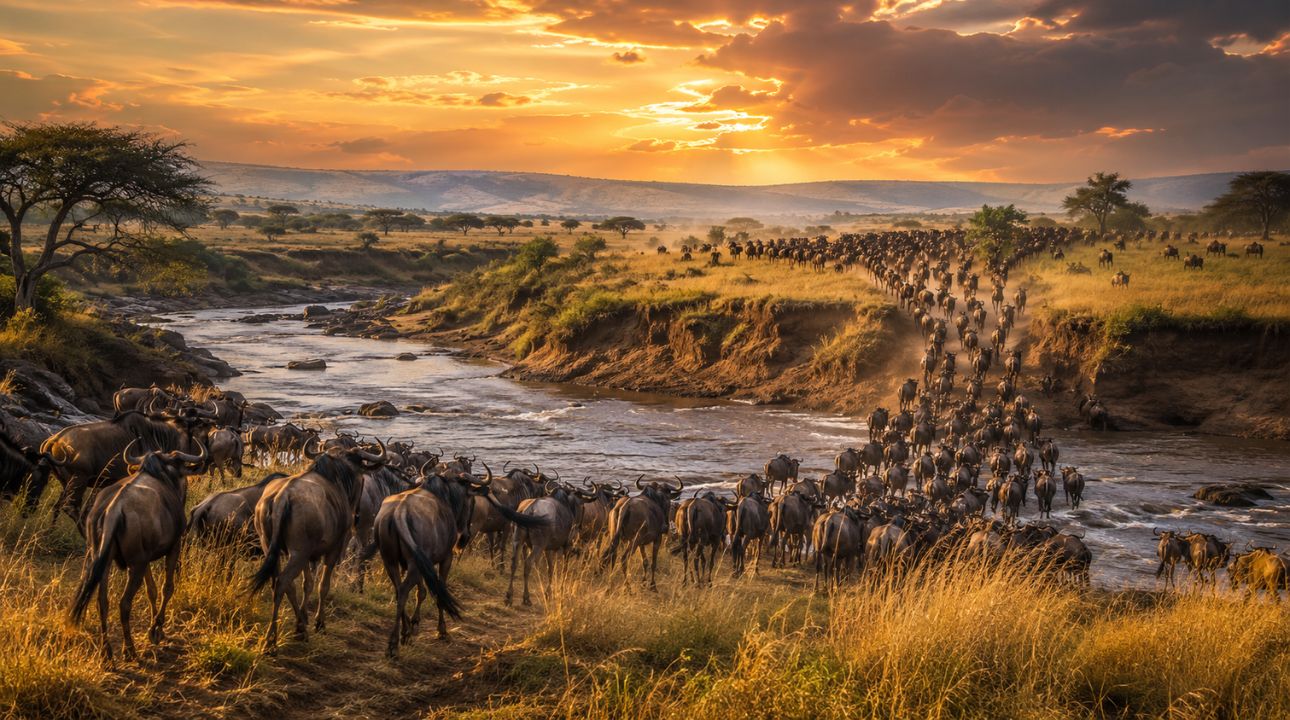
Unlike many wildlife events that happen within a fixed season, the Great Wildebeest Migration is a continuous cycle. The animals follow rainfall patterns and the growth of nutrient-rich grasses across the Serengeti-Mara ecosystem, covering hundreds of kilometres throughout the year.
By July, the southern Serengeti begins to dry, encouraging the herds to move north into Kenya. While the exact timing changes slightly each year depending on rainfall, visitors can generally expect the first large herds to begin arriving in the Masai Mara from mid to late July.
For the next four months, the reserve becomes the centre stage for one of nature's greatest annual journeys.
The Famous Mara River Crossings
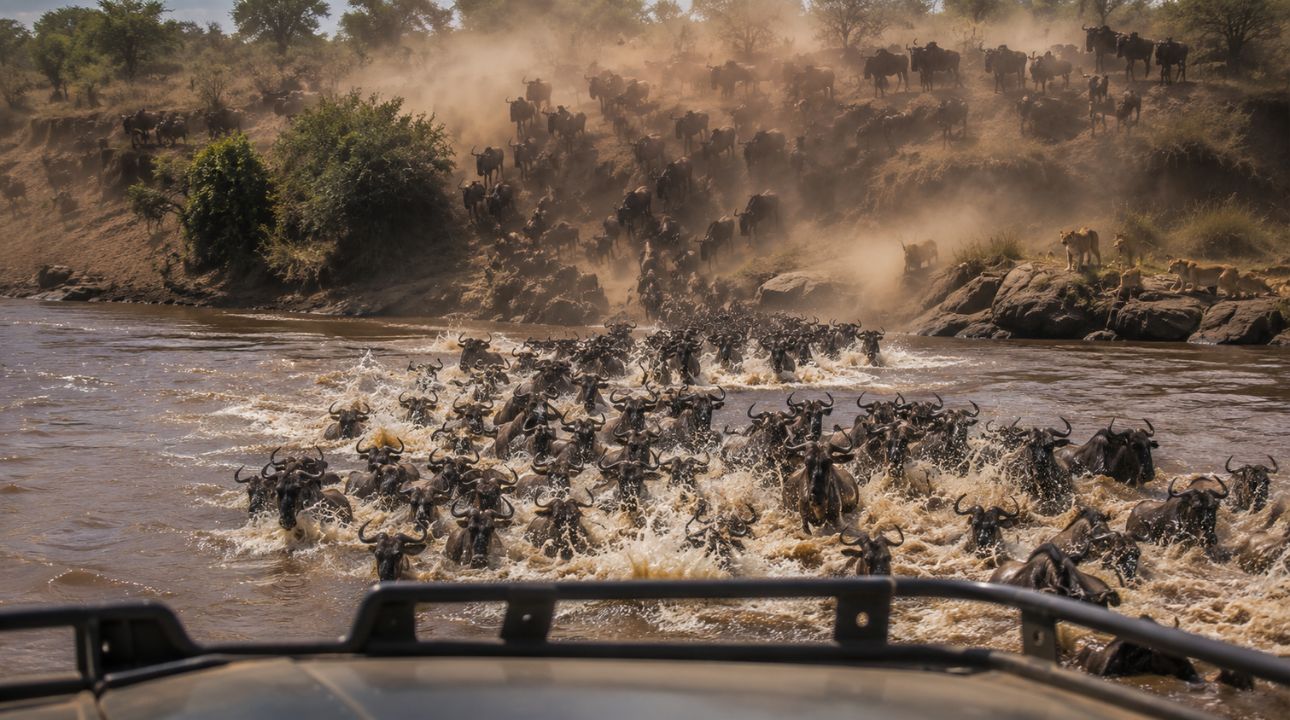
If there is one moment that has made the Great Migration famous around the world, it is the Mara River crossing.
Thousands of wildebeest gather at the riverbanks, hesitating as they size up the challenge ahead. Minutes—or even hours—can pass before one animal finally takes the plunge. Almost instantly, the rest follow in a thunder of hooves, creating an unforgettable scene of movement, determination and instinct.
Adding to the drama are the river's resident Nile crocodiles, patiently waiting beneath the surface, while lions, leopards and hyenas patrol the surrounding plains.
One important thing to remember is that river crossings cannot be scheduled. They depend entirely on the animals, river levels and weather conditions, making every successful crossing feel like a genuine privilege to witness.
Why Visit Between July and October?
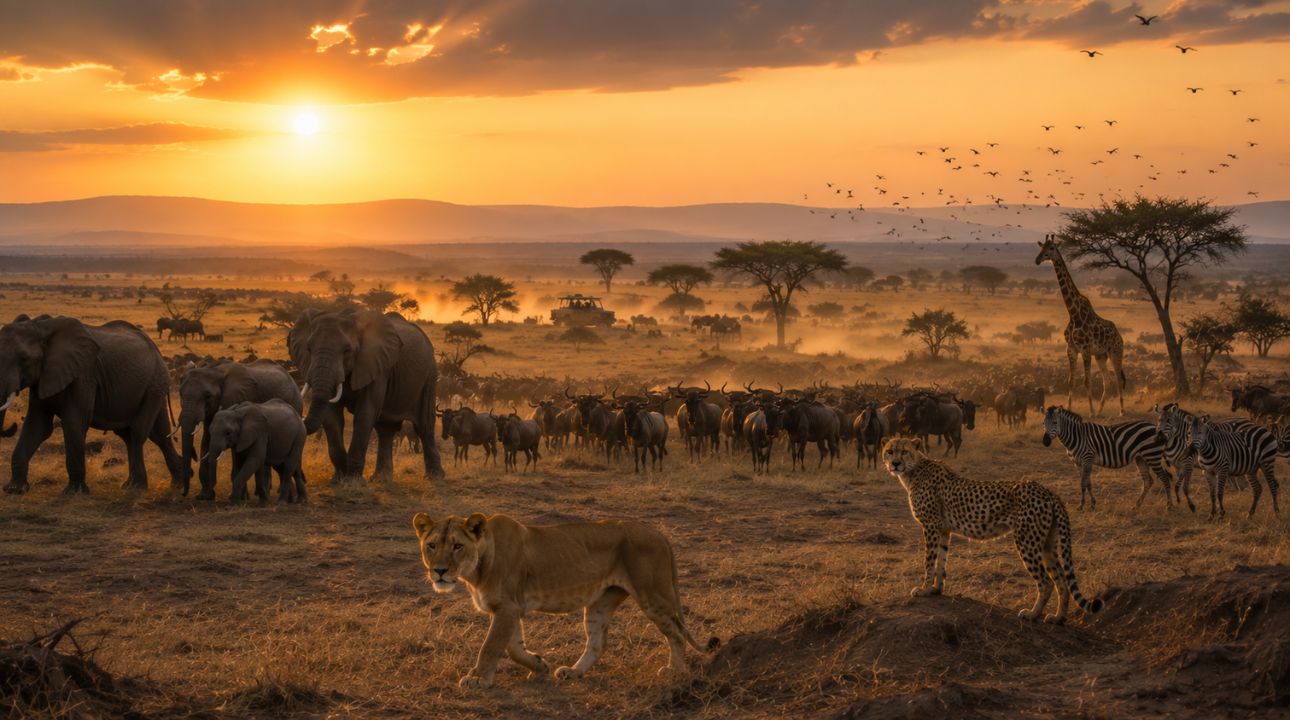
While the migration itself is reason enough to visit, these months offer far more than river crossings.
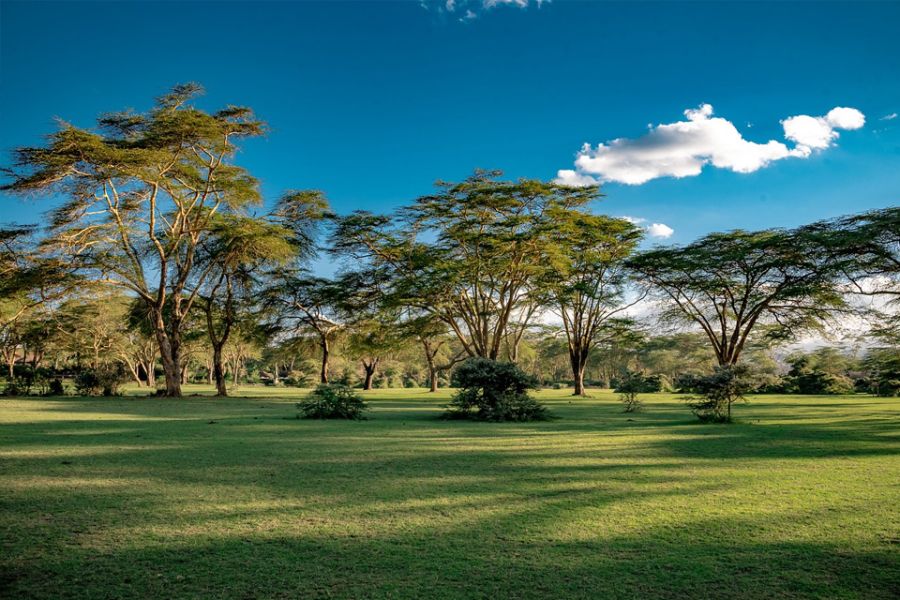
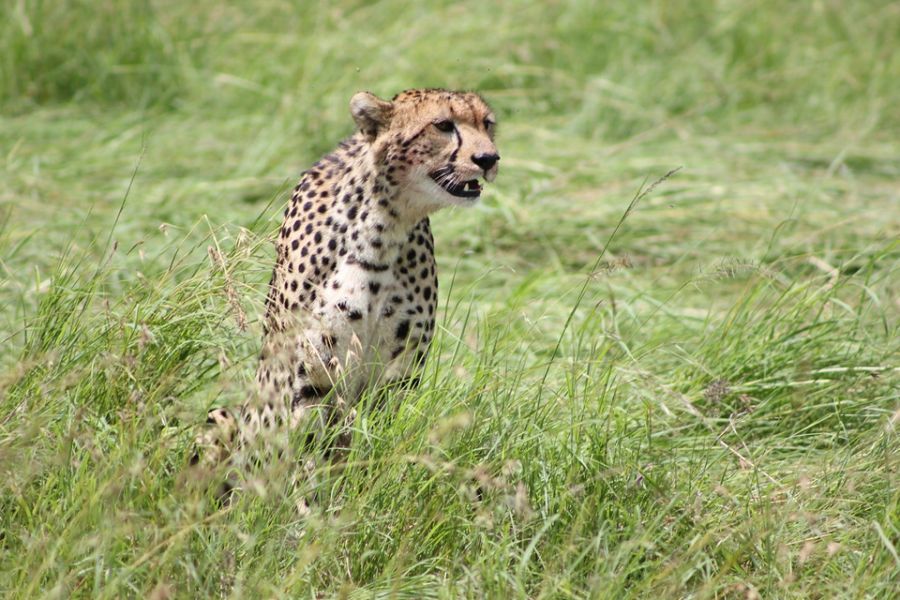
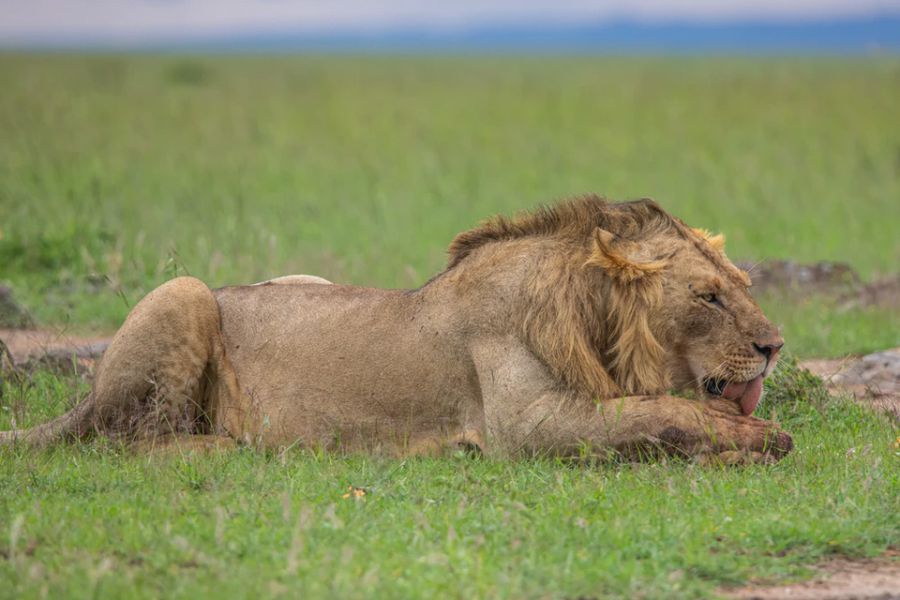
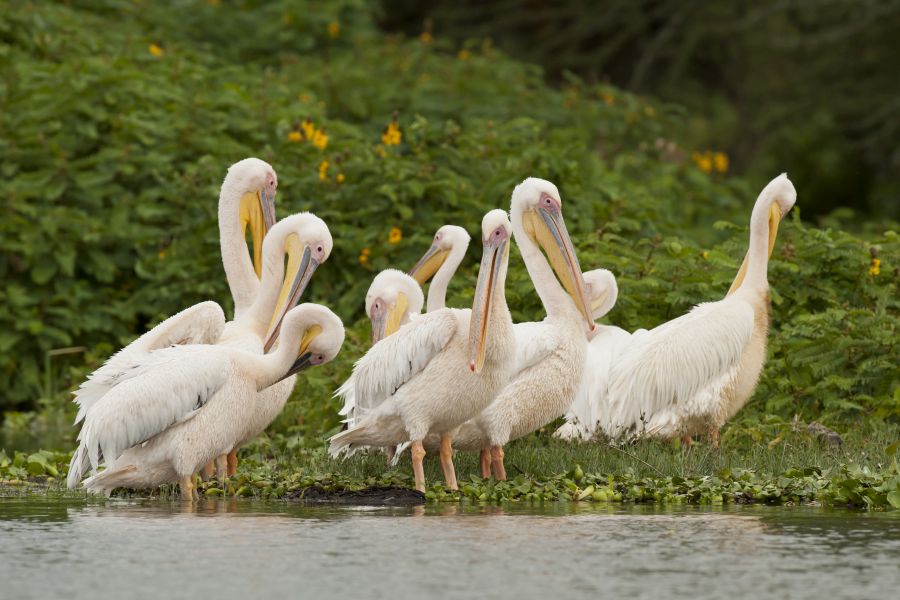
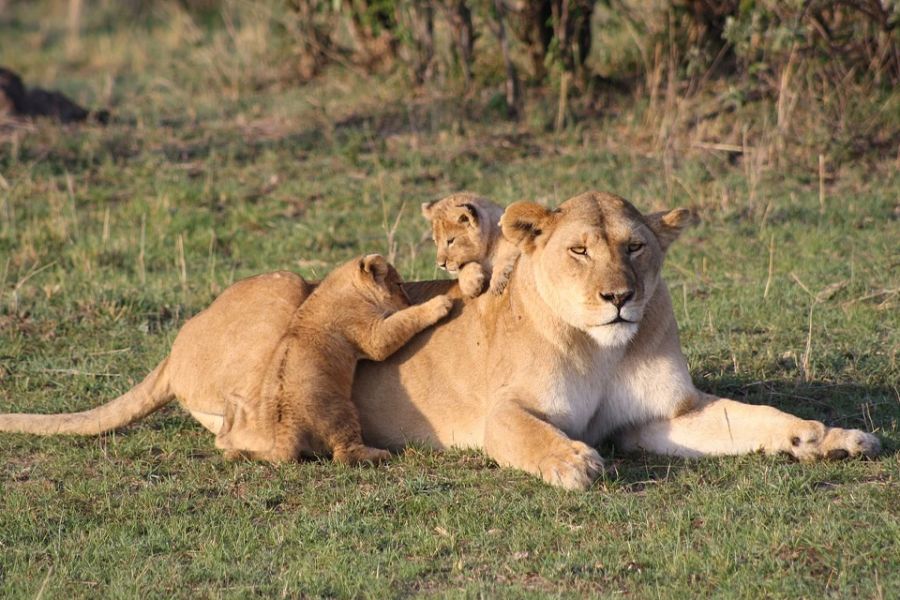
The abundance of wildlife attracts an impressive concentration of predators, making it one of the best times for sightings of lions, cheetahs, leopards and spotted hyenas. Elephant herds roam the grasslands, giraffes browse the acacia trees, and more than 500 bird species can be spotted throughout the reserve.
The open plains also make wildlife viewing easier, while the dry season means roads are generally more accessible and game drives are more comfortable.
For photographers, the conditions couldn't be better. Crisp morning light, golden sunsets and dramatic dust clouds combine to create some of Africa's most iconic safari images.
More Than Wildlife
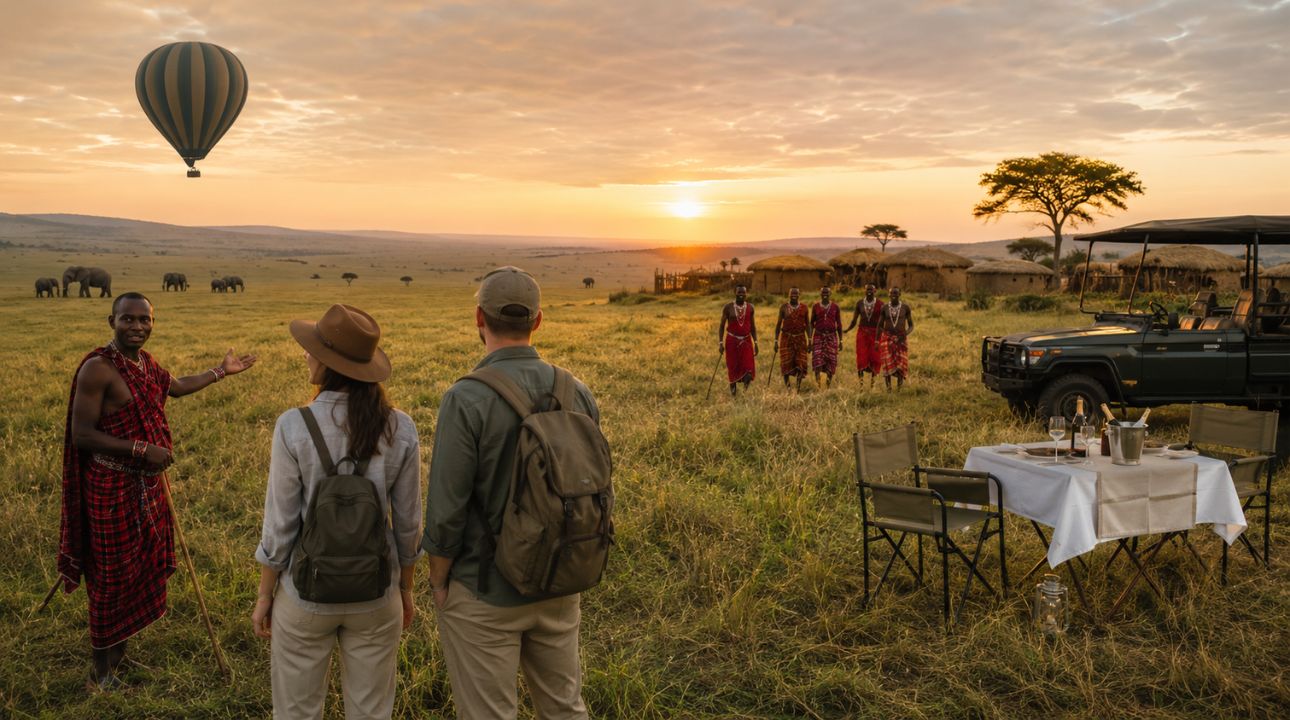
The Masai Mara offers much more than remarkable game viewing.
Visitors can enjoy sunrise hot air balloon safaris over the plains, followed by a champagne breakfast in the bush. Guided walks with Maasai guides provide insight into traditional knowledge of the landscape, while cultural visits to nearby Maasai communities offer a deeper understanding of one of East Africa's most recognisable cultures.
Whether you're celebrating a honeymoon, travelling with family or embarking on your first safari, the Mara delivers experiences that extend well beyond the game drive.
As October Draws to a Close
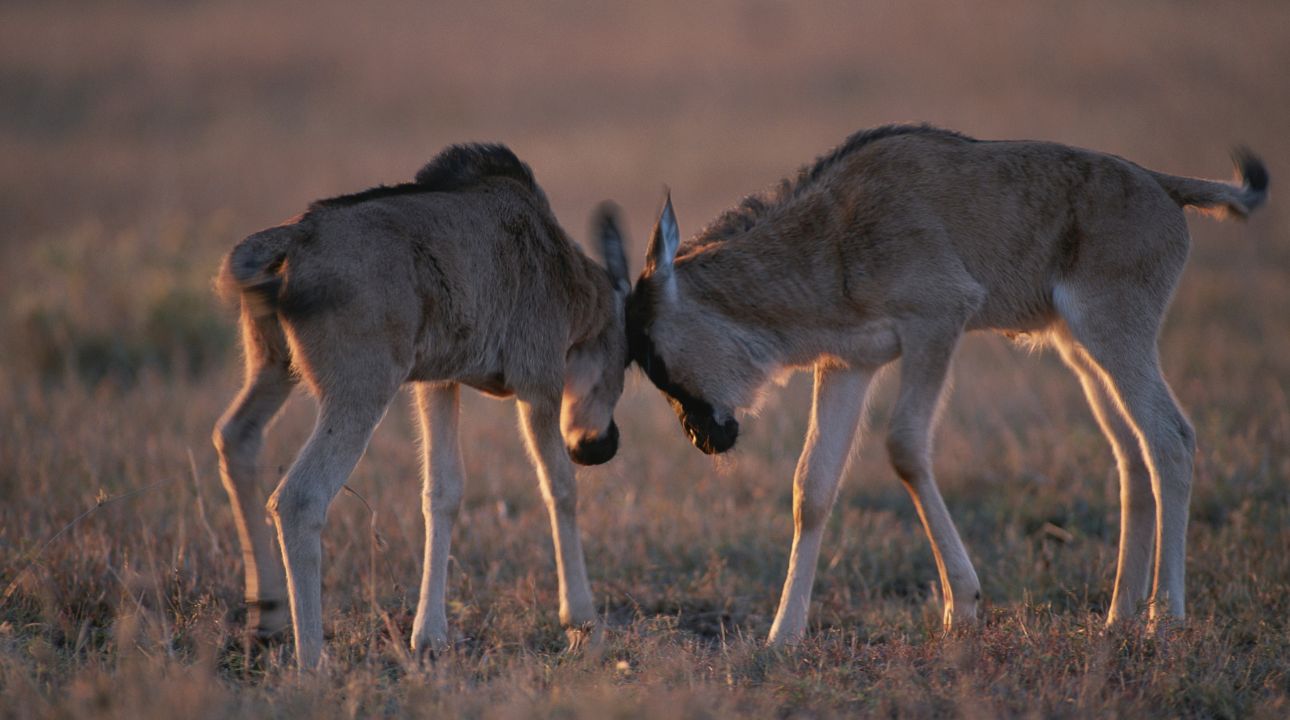
As the short rains begin to approach, the herds gradually leave the Masai Mara and make their way back into Tanzania's northern Serengeti, continuing their endless search for fresh grazing.
The migration never truly ends. It simply moves on.
Months later, the same wildebeest will reach the southern Serengeti, where thousands of calves will be born before the cycle begins all over again.
Planning Your Migration Safari
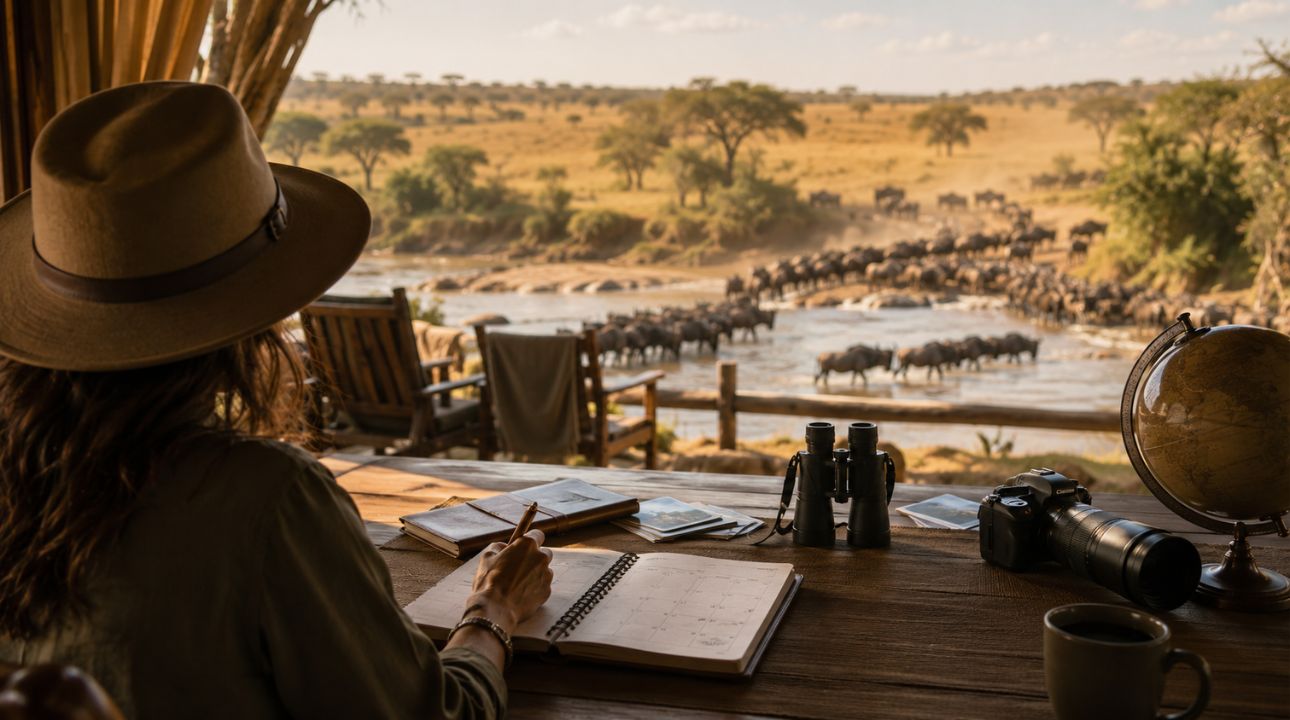
Migration season is one of the busiest times of the year in the Masai Mara, and accommodation often books up months in advance. Travellers hoping to witness the river crossings or enjoy prime wildlife viewing should plan well ahead, particularly for August and September, which are widely regarded as the peak months.
Choosing an experienced safari operator also makes a significant difference. Knowledgeable guides understand herd movements, monitor wildlife activity and know where to position vehicles for the best possible viewing opportunities, giving you the greatest chance of witnessing the migration at its most memorable.
Because when the wildebeest decide to move, you'll want to be there.