Every year, more than a million wildebeests churn through the East African savanna, driven by an ancient, instinctual search for green pastures. For the wildlife photographer, it is the ultimate arena. But the glossy spreads in nature magazines rarely tell the truth about what it takes to get those shots.
Behind every iconic image of a river crossing is a gruelling battle against unforgiving light, intense heat shimmer, and a fine, pervasive volcanic silt that threatens to brick your camera gear.
If you want to capture the true, raw energy of the Great Migration without destroying your equipment, you need to throw out standard wildlife photography rules. Welcome to the masterclass of chasing the red dust.
1. The Red Dust War: Gear Protection
The fine, red topsoil of the Serengeti and the Maasai Mara doesn't just sit on the ground, it hangs in the air like an aerosol. When thousands of hooves begin to gallop, this dust penetrates every unsealed seam of your camera body.
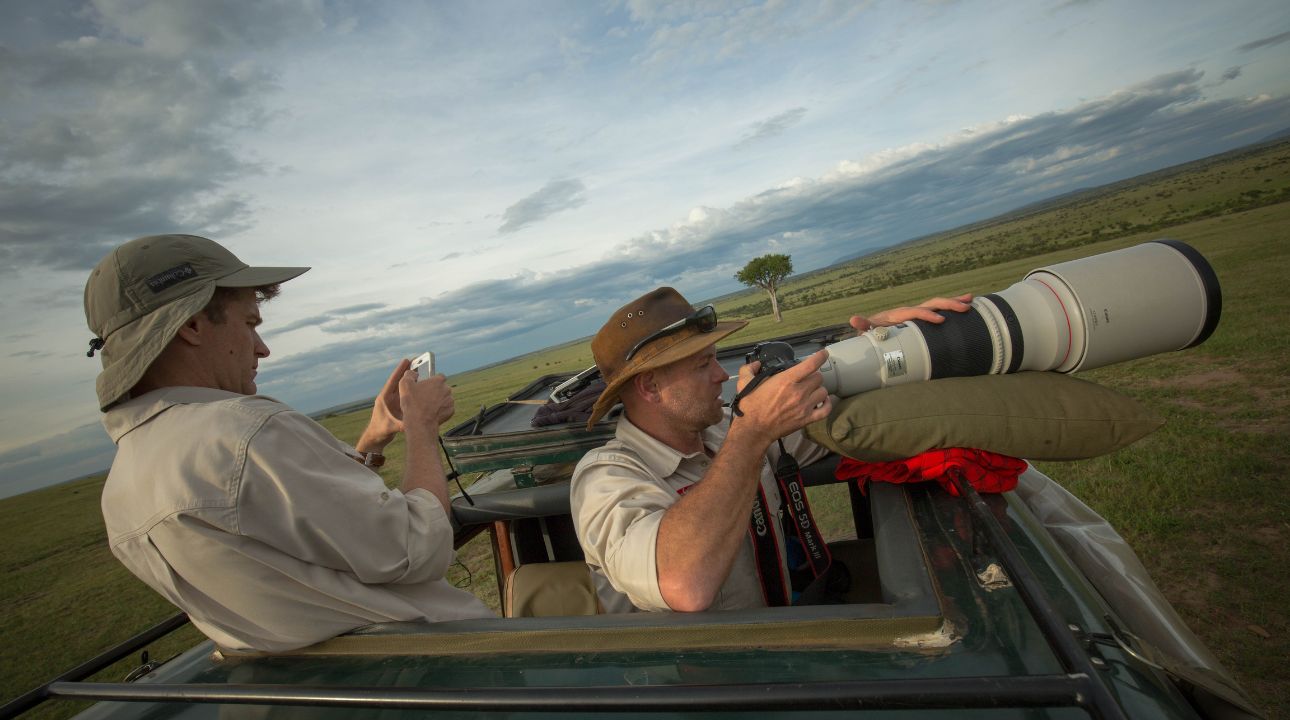
• The Two-Body Rule: Never, under any circumstances, swap lenses in an open safari vehicle. If you want to shoot both wide-angle environment shots and tight action close-ups, carry two camera bodies.
• The Pillowcase Hack: Expensive camera rain covers can trap heat and create condensation in the African sun. Instead, buy cheap, heavy-duty cotton pillowcases. Keep your cameras tucked inside them on your lap. The cotton breathes, prevents heat build-up, and stops dust from settling on your controls between action sequences.
• Post-Game Maintenance: Bring an air blower (like a Giottos Rocket Blower) and a dedicated camel-hair brush. Wipe down the exterior of your camera bodies every single night before using microfiber cloths on your glass.
2. Freezing the Chaos: Technical Settings
A river crossing is pure pandemonium. Animals are tumbling down steep cliffs, crocodiles are striking, and water is exploding everywhere. Your brain will want to panic; your camera settings cannot.
• Shutter Speed is King: To freeze individual water droplets flung from a wildebeest's mane or the sharp texture of a dust cloud, you need speed.
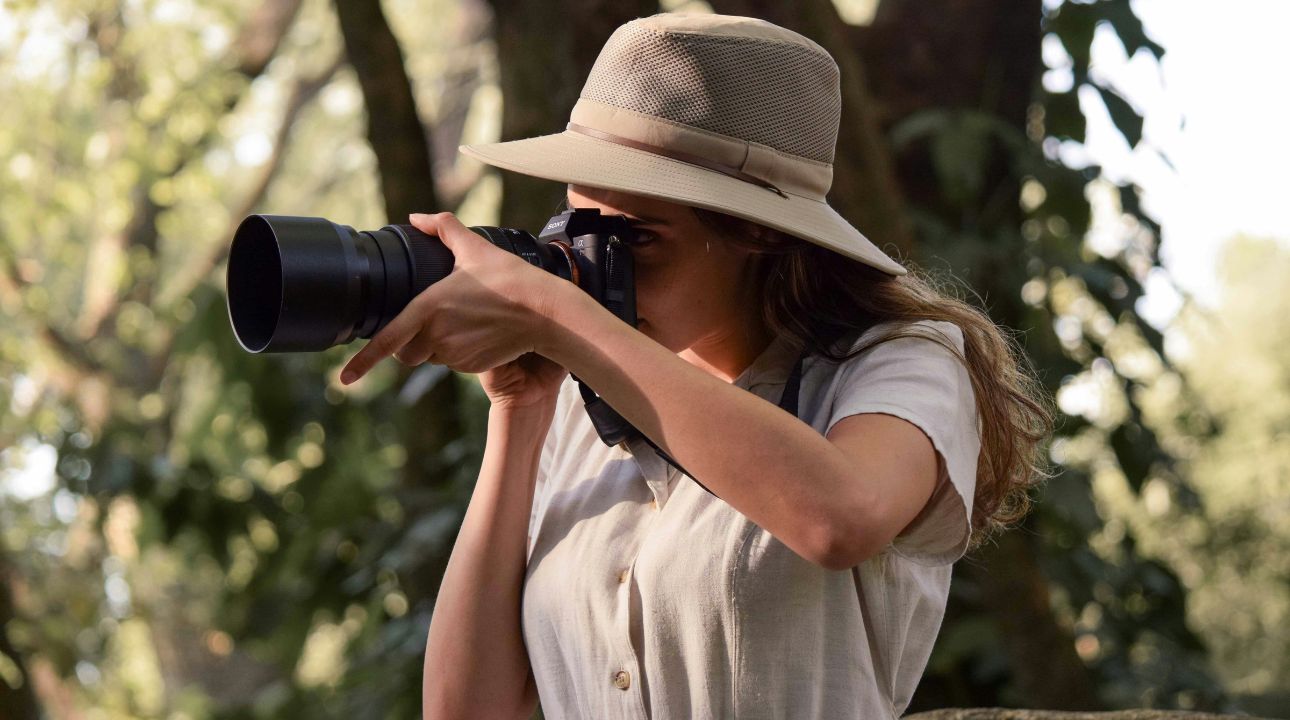
• Autofocus Strategy: Modern mirrorless subject tracking is incredible, but it can get deeply confused by a wall of moving brown bodies. Aim for the animals at the leading edge of the stampede. Lock focus on the eye or head of a single wildebeest leaping into the water, rather than letting the camera hunt across the entire massed herd.
• Exposure Compensation: When thousands of animals kick up a wall of dust, the sun hits the airborne particles and tricks your camera's light meter into thinking the scene is much brighter than it actually is. The camera will automatically underexpose, turning your wildebeests into muddy, detail-free silhouettes.
3. The Unsung Variable: Vehicle Positioning
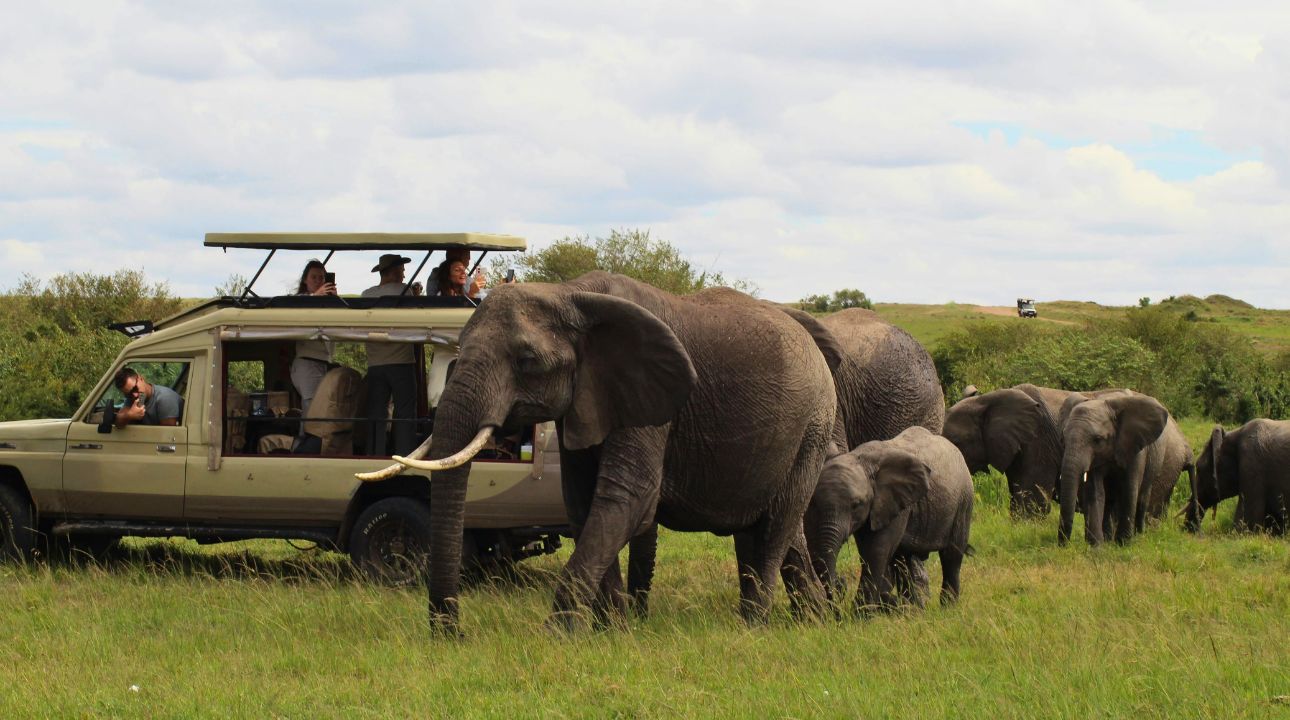
You can have the best gear in the world, but if your safari vehicle is poorly positioned, you will end up with a memory card full of animal backsides.
• The Golden Rule: A great safari photographer guides the guide. Most travellers want to rush directly to the water's edge the moment a herd gathers. Resist this. A premature vehicle movement can scare the "pointsman"—the brave individual wildebeest who decides to test the water first. If the pointsman spooks, the entire herd retreats, and you lose the crossing entirely.
Work with your driver to park further back, anticipating the angle of the sun. You ideally want the light coming from the side (sidelight) to give 3D texture to the dust and muscles of the animals, or directly behind the animals (backlight) for that dramatic, glowing halo effect.
Capturing the Great Migration requires patience bordering on madness. You might sit in a sweltering vehicle for four hours waiting for a herd to cross, only for them to turn around. But when that first animal leaps, the red dust rises, and your shutter starts firing at 20 frames per second… there is absolutely nothing else like it on Earth!