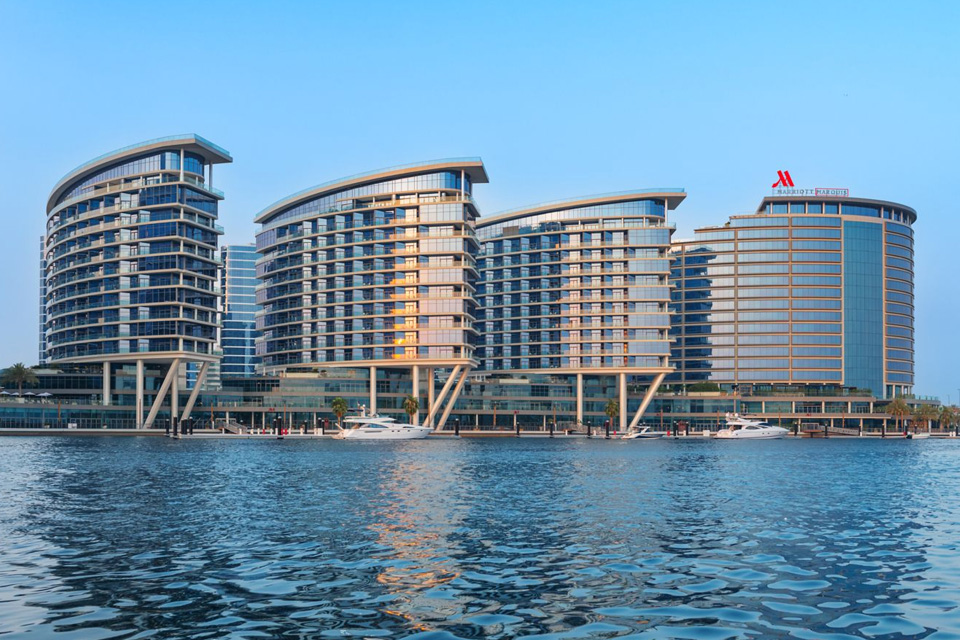
By 2026, travel is no longer about how much ground you cover — it’s about how deeply you connect.
Across Africa, travellers are trading rushed itineraries for slower, more intentional journeys. East and Southern Africa, in particular, are emerging as leaders of this shift, offering experiences that blend wildlife, culture, and community in ways that feel personal, ethical, and enduring.
This is not a trend driven by novelty. It’s driven by meaning.
Slow, immersive journeys take centre stage
The era of ticking destinations off a list is fading. In its place, travellers are choosing to stay longer in fewer locations, immersing themselves in everyday life.
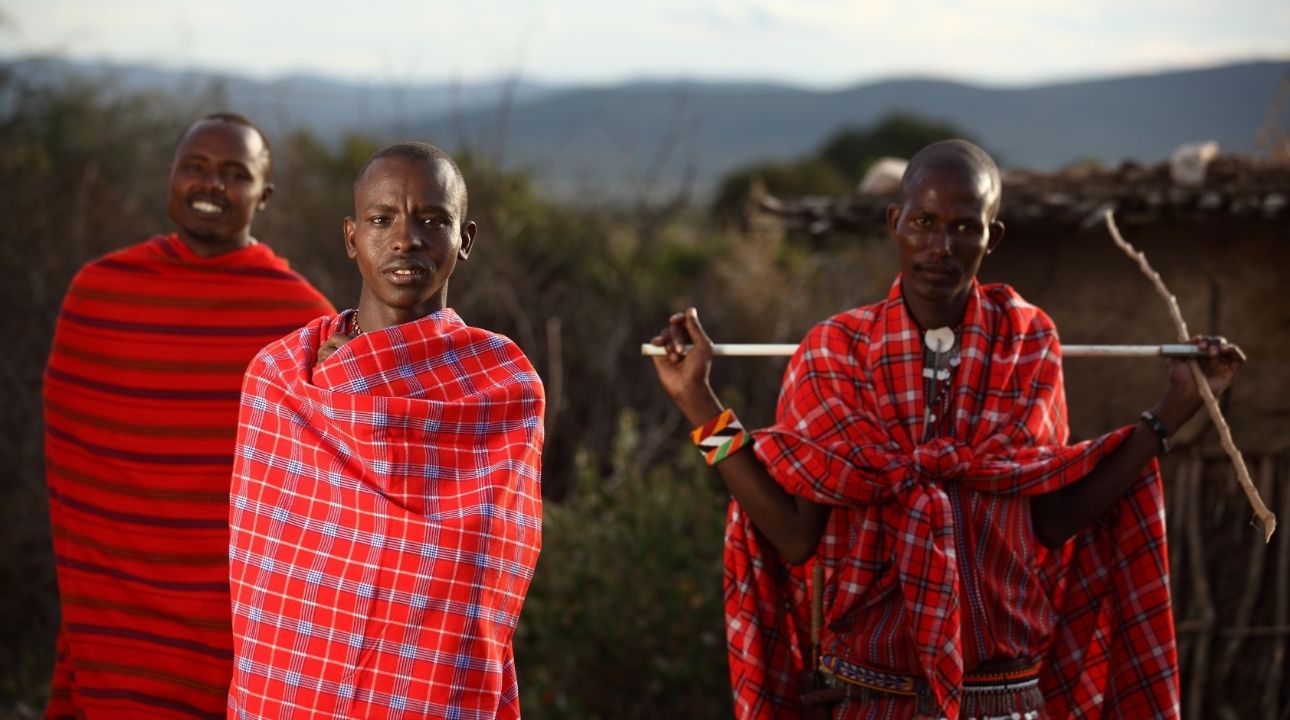
In East Africa, this means cooking classes in rural Kenya, guided village walks with Maasai hosts, and farm stays across Tanzania that invite visitors into local rhythms rather than staged encounters. Sustainability, value for money, and a growing desire for depth are encouraging extended stays — and even multi-country trips made easier by initiatives like the East Africa Tourist Visa, connecting Kenya, Uganda, and Rwanda.
Southern Africa mirrors this shift. In Botswana’s Okavango Delta and Zimbabwe’s Mana Pools, walking safaris and mokoro canoe journeys replace vehicle-heavy game drives, offering quieter, more intimate wildlife encounters in uncrowded landscapes.
Culture and conservation are no longer optional
Cultural tourism is no longer a side experience — it is central to how Africa is being explored.
From time spent with the Hadzabe hunter-gatherers in northern Tanzania to Burundi’s royal drumming traditions, travellers are seeking genuine cultural exchange rooted in respect and community benefit. Community-owned lodges and ethical safari operators are seeing increased demand as travellers become more conscious of where their money goes.
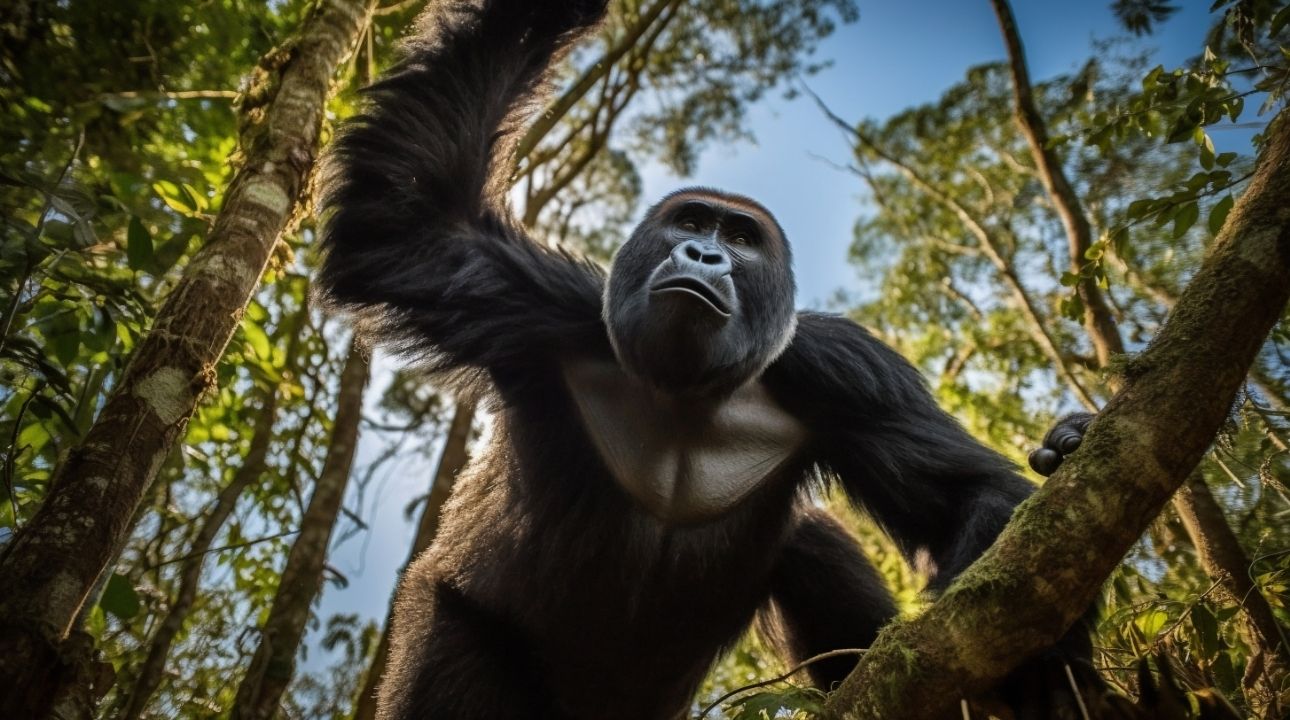
Gorilla trekking in Rwanda and Uganda continues to surge, with permits often booked six to twelve months in advance. The appeal lies not only in the rare wildlife encounters but in conservation models that directly support local livelihoods. In South Africa, private reserves in the Kruger and the Cape Winelands are pairing Big Five safaris with heritage, wine culture, and slow luxury — attracting high-spend travellers from markets like the U.S. and Brazil.
Technology enhances, not replaces, the experience
Technology in 2026 will be less about distraction and more about facilitation.
AI-powered planning tools now offer virtual lodge tours, real-time availability, and personalised itineraries, helping travellers make informed decisions before they arrive. On the ground, mobility apps ease navigation between cities and remote regions, while wellness-focused technology supports digital detoxes rather than undermining them.
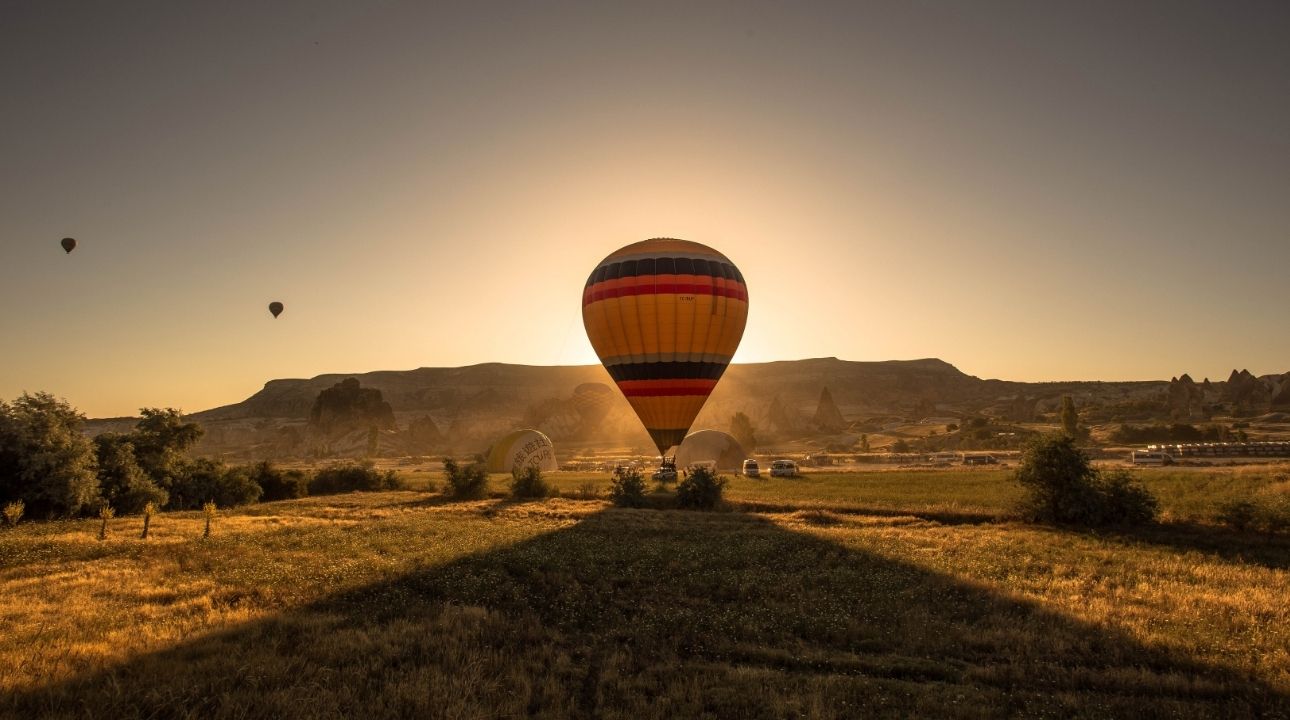
The result is a balance: hot-air balloon safaris, volcano hikes, and bush wellness experiences that feel seamless to plan, yet grounded and low-impact once experienced.
A new kind of luxury has emerged.

Luxury in Africa is becoming more accessible and more meaningful.
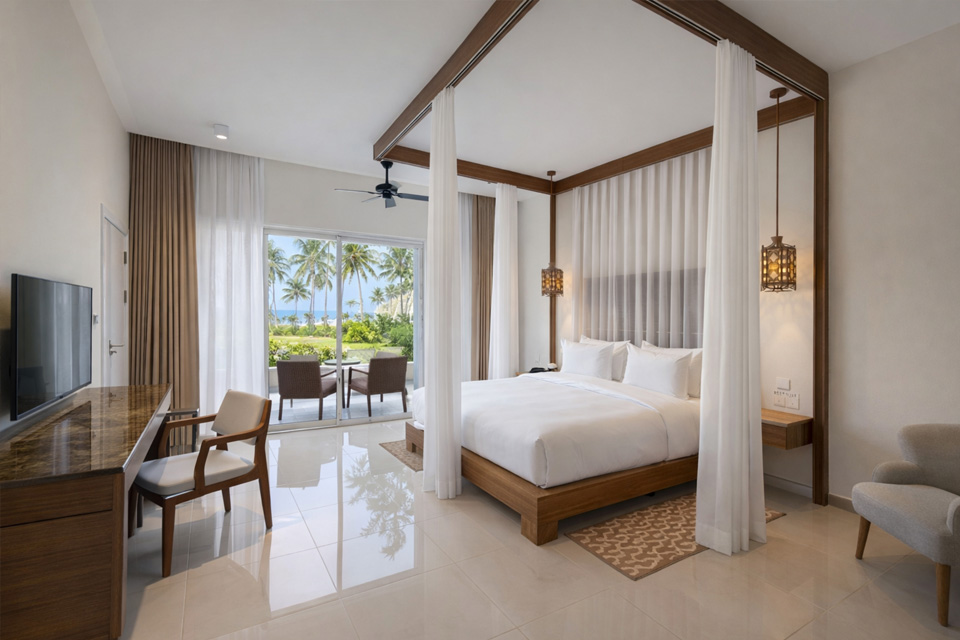
Affordable tented camps, flexible safari circuits, and celebration-focused travel (from honeymoons to milestone birthdays) are opening high-end experiences to a broader audience. Comfort is no longer defined by excess, but by privacy, space, storytelling, and a sense of place.
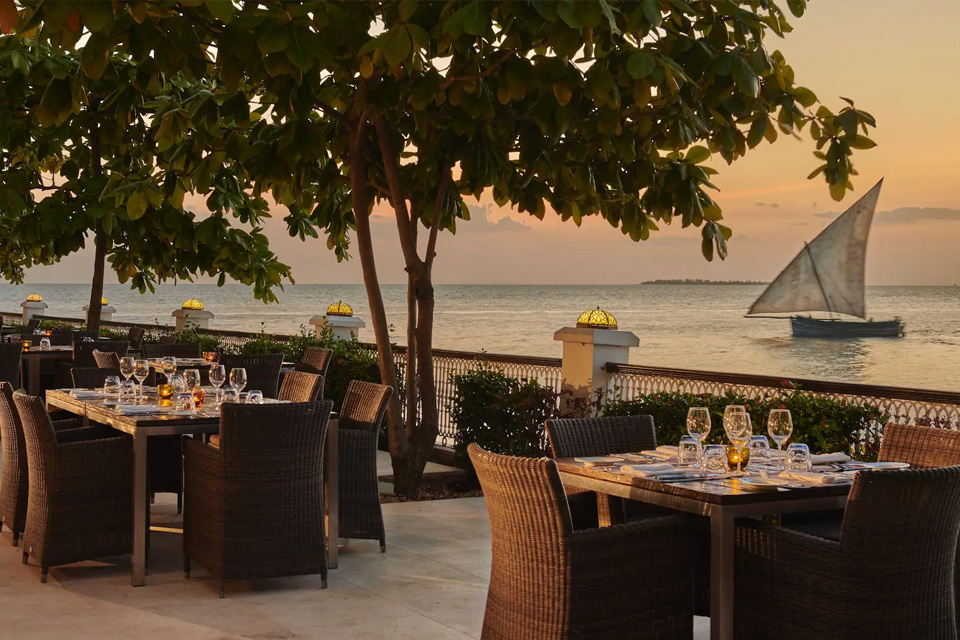
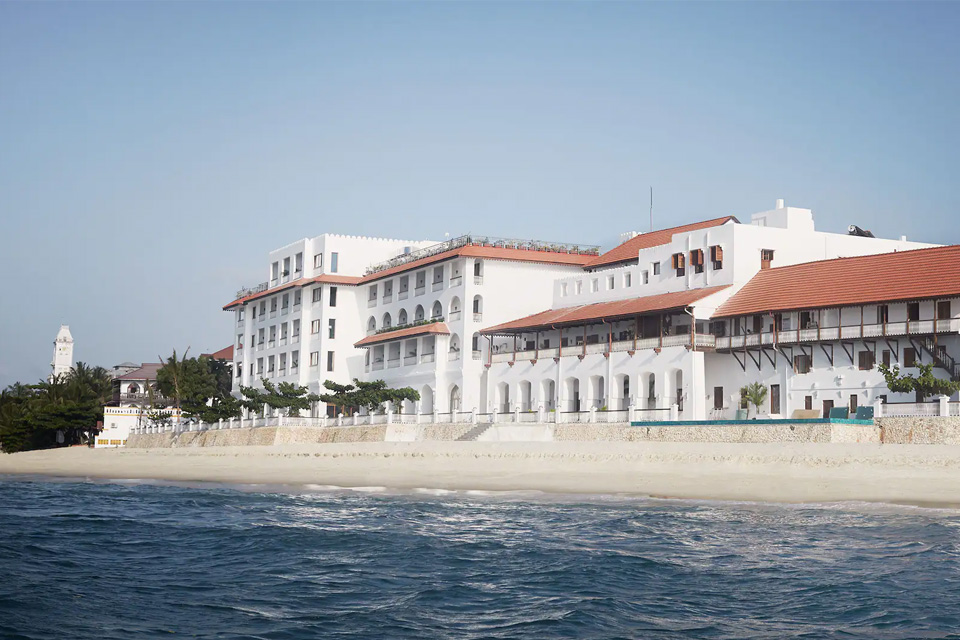
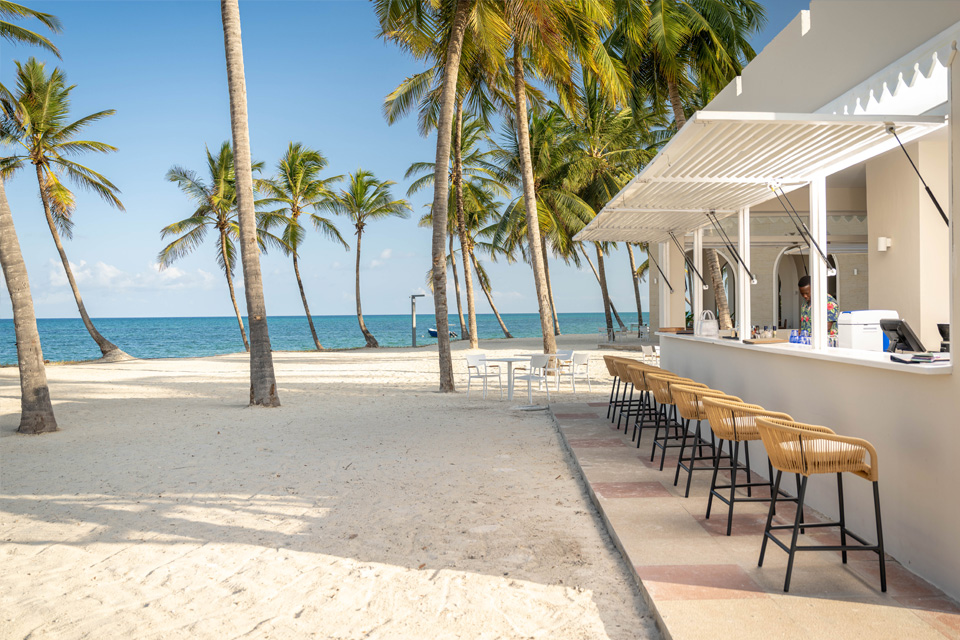
From Zanzibar’s quiet beaches to the thunder of the Serengeti’s great migration, travel in 2026 is about presence, not pace. Those who take the time to engage deeply will find Africa offers not just unforgettable trips but a lasting perspective.